
The meaning of essential
Essential nutrients are specific nutrients that our bodies do not produce, so we have to consume them through dietary intake. Non-essential nutrients are those the body can make from other building blocks. Our bodies require essential nutrients to provide us with energy, to build and maintain body tissues and to regulate our body functions. If we do not consume the nutrients we need, our bodies will not thrive.
Below is a list of essential nutrients
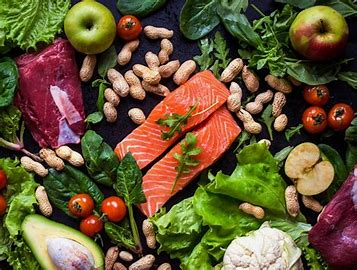
Proteins | Proteins are necessary for the function of muscles, blood, bone, enzymes, cell membranes and hormones. Proteins also help repair tissue and regulate the balance of water and acid. Major sources include meat, fish, poultry, eggs, legumes and nuts. deficiency in protein can cause loss of muscle mass, decline in healthy hormone levels, loss of bone mass and fatigue. Eggs are complete protein, containing every amino acid that the body needs. |
Fats | Fats are necessary to supply energy, insulate our body, cushion our organs and support absorption of fat-soluble vitamins. Major sources of saturated fats come from animal sources, palm oil, coconut oil and vegetable fats. Unsaturated fats come from grains, nuts, fish and vegetables. If you don't eat enough of the right fats, you are missing the building blocks for healthy metabolism, energy distribution and cognitive health. Your brain is 60% fat and requires healthy fats the support mental function. Healthy fats should represent 10-15% of our total calorie consumption, from good choices such as avocado, nuts and seeds. |
Minerals | Minerals help regulate body functions, support release of energy and acid in the growth and maintenance of body tissues. Without these essential cofactors, you can't turn protein into muscle, fats into hormones, carbohydrates into energy or build strong bone mass. |
Water | Water makes up 50-70% of our body weight and helps regulate temperature and remove waste products. Major sourced include fruits, vegetables and non-sweetened liquids. You should consume a half-ounce of water for every pound that you weigh and even if you detox, exercise, take pharmaceuticals or drink beverages that may deplete your water stores, like coffee and tea. At the time we feel thirsty, we are already dehydrated, and cellular functions are impacted. |
Vitamins | Vitamins promote chemical reactions within cells and are necessary for optimal cellular function. Major sources include fruits, vegetables, un-refined grains and to limited extent, meat. |
What about carbohydrates
Carbohydrates are semi-essential, meaning the necessary glucose for energy can be derived from protein and fat, however the vitamins and minerals found in healthy carbohydrates make them indispensable.
Effects of not getting enough nutrients in your diet
If you don't get enough of the essential nutrients and non-essential nutrients your body needs, you could increase your risk of developing health conditions including heart disease, dementia, depression, stroke, anemia, diabetes, arthritis, obesity, acne, hypoglycemia, muscle cramps, fatigue and more.


Comments